As a seasoned interior designer focusing on bathroom renovations, I understand that great bathroom decor ideas blend style with function and resilience against moisture. With more than a decade of experience translating client needs into durable, beautiful baths, I share practical, research-backed recommendations that work in real homes. This guide covers color schemes, materials, storage solutions, lighting, and how to select a look that lasts—whether you’re updating a rental or redesigning a primary suite. The advice aligns with EEAT principles: demonstrable expertise, authoritative guidance on industry standards, and transparent planning tips to help you make informed decisions.
Key Principles of Bathroom Decor Ideas
Before you buy tile or fixtures, anchor your project with a plan that prioritizes moisture management, layout efficiency, and timeless appeal. A well-designed bathroom uses a clear focal point (like a statement mirror or a feature tile) without overcrowding the space. Consider your daily routines, storage needs, and the life cycle of the materials you choose. This section outlines actionable principles that guide every decision, from color to hardware.
Color and Materials
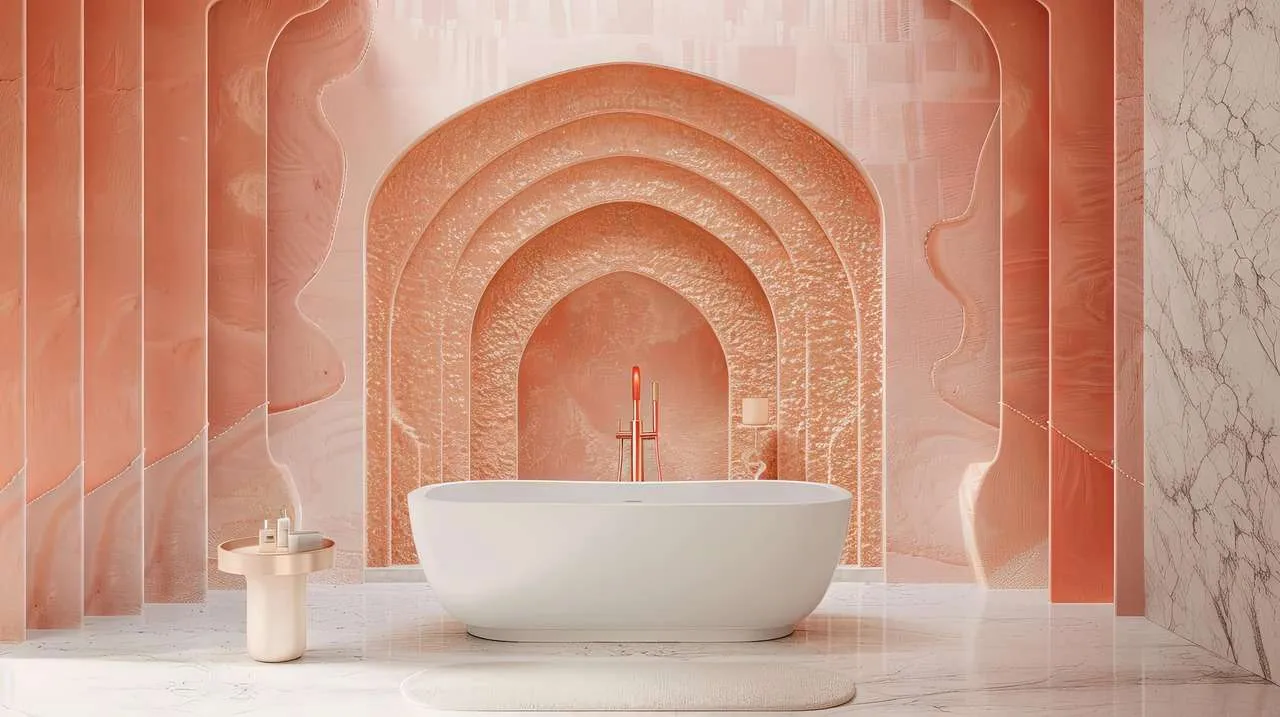
Color sets mood and can visually expand or compress space. In bathrooms, pairing durable materials with a restrained palette reduces maintenance and creates cohesion. Opt porcelain or ceramic tiles, quartz countertops, and solid-surface vanities for longevity. Use warm whites, cool grays, or soft taupes as a base, then introduce an accent hue through towels, art, or a vanity finish. Moisture-resistant finishes such as ceramic tile, epoxy grout, and sealed natural stone offer resilience in high-humidity zones. Pro-tip: test samples under artificial light to see how they read at different times of day.
Storage and Layout
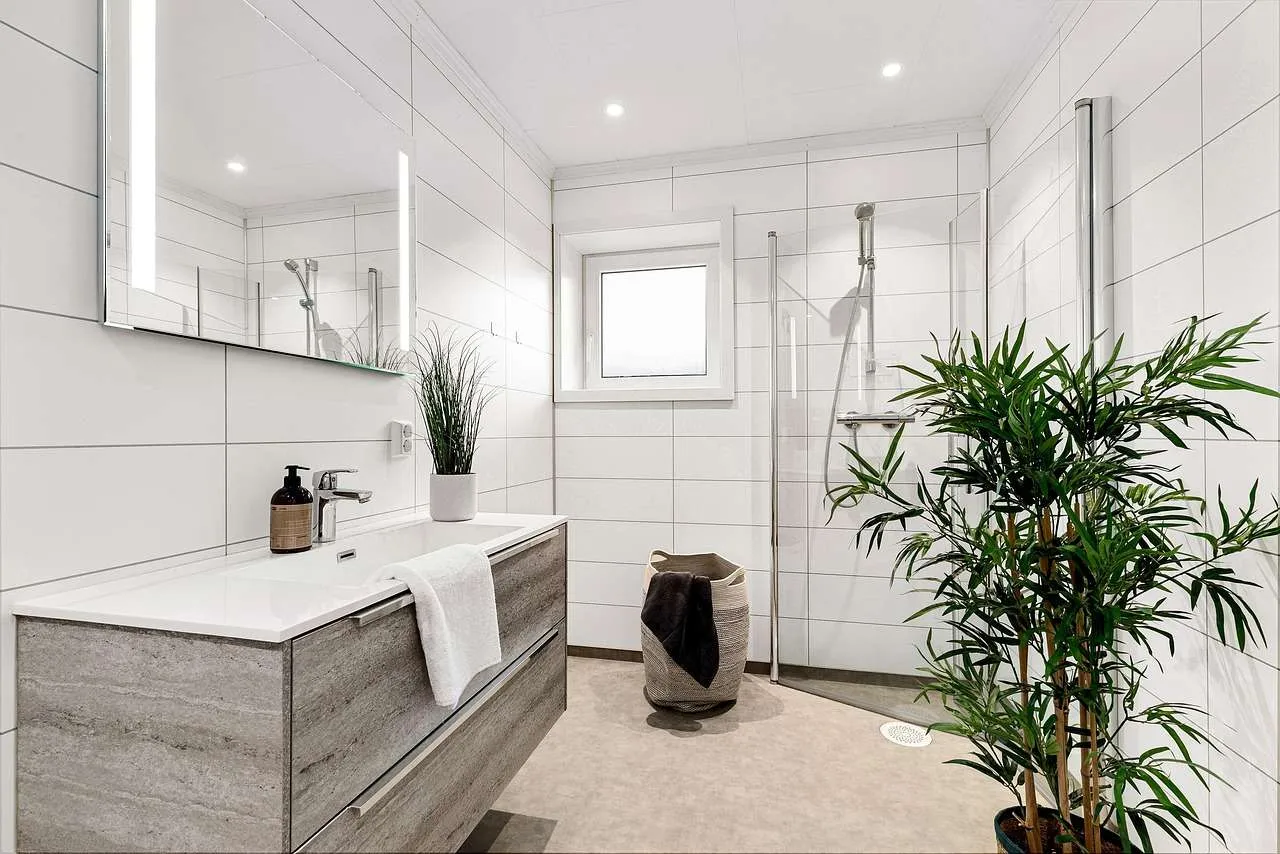
Efficient storage transforms a bathroom from stylish to livable. Plan vertical storage, recessed niches, and wall-mounted cabinets to keep floors clear. A well-proportioned vanity with integrated soft-close drawers, a mirrored cabinet, and a small laundry bin can reclaim counter space. For smaller baths, consider a pocket door and a corner shelving unit to maximize usability without crowding movement.
Lighting and Fixtures
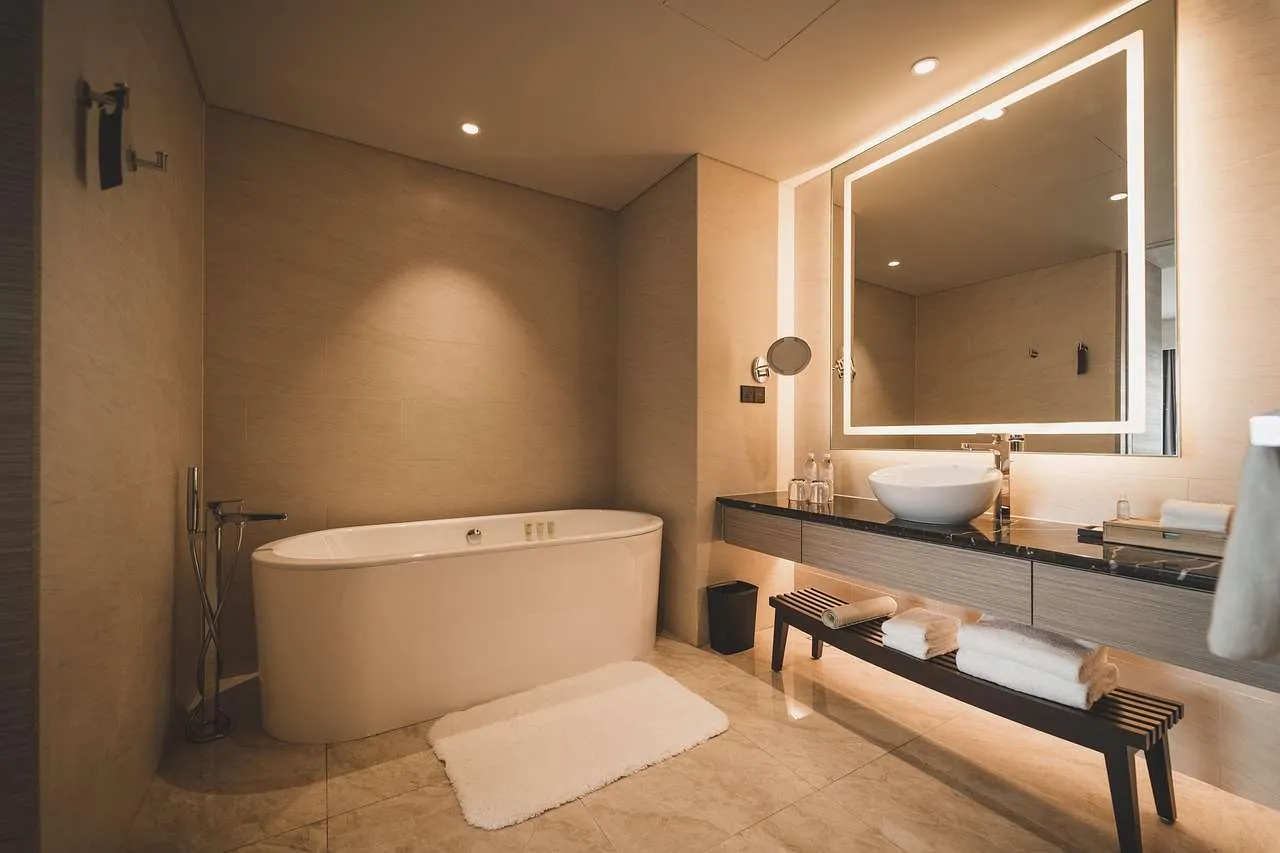
Layered lighting enhances both function and mood. Combine ambient ceiling light with task lighting around the mirror and accent lights near shelving. Choose damp-rated fixtures for zones near showers and bathtubs, and consider dimmable options to shift from bright daytime prep to relaxed evenings. Fixtures in brushed nickel, matte black, or warm brass can anchor a room and tie in hardware, faucets, and towel bars for a cohesive look.
Style Palettes: Quick Comparison
Styles guide mood, materials, and color combinations. Use the table below to compare four popular directions and choose one that fits your space and budget.
| Style | Key Characteristics | Ideal Space | Color Palette |
|---|---|---|---|
| Modern | Sleek lines, minimal ornament, high-contrast accents | Open baths, small spaces, urban homes | White, gray, black with a bold accent |
| Minimalist | Calm, clutter-free, restrained textures | Compact rooms, busy households | White, ivory, charcoal |
| Classic | Timeless patterns, warm woods, marble accents | Traditional homes or mixed styles | Cream, taupe, navy |
| Coastal | Sun-washed palettes, light textures | Bedrooms with harbor or beach vibes | Soft blues, sandy neutrals, whitewashed wood |
Budgeting and Planning
Define a realistic budget early and allocate funds by impact. Prioritize durable, water-prone components—tiles, vanities, and faucets—before adding accessories. Get three quotes for larger installations and read product warranties. A good plan includes space measurements, a tile layout diagram, and a procurement list with delivery times to avoid costly delays. If you’re replacing an entire layout, stage the project in phases to minimize downtime.
DIY vs Professional Help
Many updates benefit from a professional’s eye, especially waterproofing, electrical work, and plumbing. Simple cosmetic changes—paint, fixtures, towels, and decor—are accessible for confident DIYers. Always verify local codes and ensure that any changes meet moisture and electrical safety standards. A balanced approach—handle finishing details yourself while hiring a licensed pro for critical installations—often yields the best mix of cost and quality.
Implementation Checklist
- Measure your space accurately and create a scaled plan.
- Choose a primary style and color palette, then source reviews for durability.
- Select essential fixtures (vanity, sink, toilet, shower/bath) with moisture resistance.
- Plan storage early: niches, medicine cabinets, and vanity drawers.
- Layer lighting: ambient, task, and accent; set up dimmers.
- Create a mood board with materials, finishes, and textiles.
- Approve budget and create a phased schedule if needed.
Regularly revisit your plan and adjust as you receive samples and quotes to stay within budget while preserving quality.
Conclusion, bathroom decor ideas thrive on a balanced approach: blend practical materials with a cohesive color story, smart storage, and layered lighting. By following a clear plan and using the style table as a quick reference, you can implement a space that feels both current and enduring. Start with a mood board, confirm moisture-resistant finishes, and maintain a flexible timeline to keep the project on track.